
Every Amtrak adventure starts at a station, but those stations may not be what you expect. Rail service is more self-service than you may realize, desire, or want. Amtrak stations could be beautiful large stations from the height of a passenger rail, or your Amtrak adventure could start at a bus stop in San Francisco. Things have changed between Amtrak’s Connect Service and the move from railroads owning stations to the community operating them.
Amtrak uses staffed and unstaffed stations, which could be platform stations without a building or shelter. Knowing what you may encounter on your next trip can help you prepare, decide how to pack, and set your expectations. Let’s quickly look at the types of Amtrak stations.
Amtrak Stations: An Overview Podcast
Before we get started
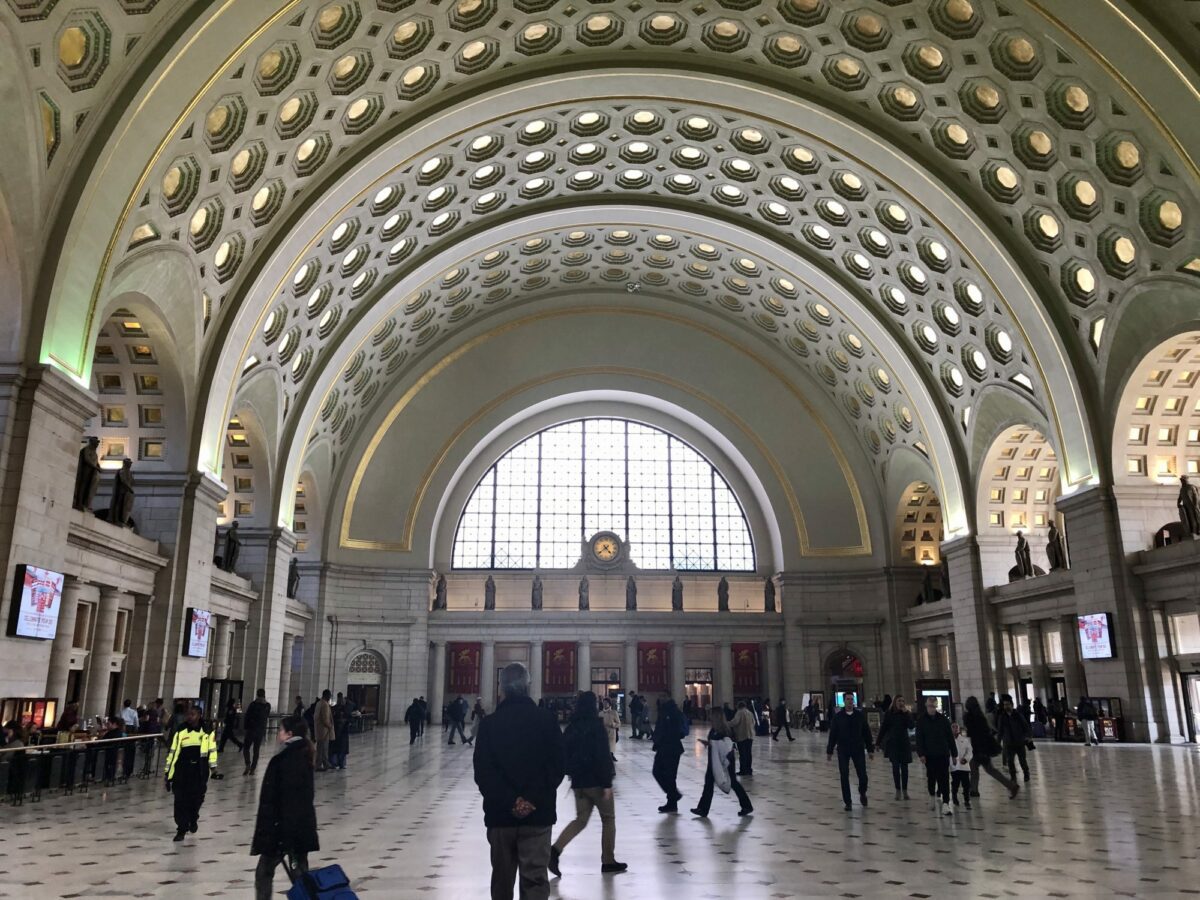
Not all Amtrak stations see trains; some are bus stops to Amtrak’s connecting service, while others are giant stations that have maintained their glory.
Amtrak does not own all of the stations they use. Most communities served by Amtrak decide what kind of station they want to represent themselves.
Some communities want welcoming stations, but others do the bare minimum. Those communities could have something as simple as an open shelter or a sign and platform along the tracks.
Knowing what kind of station you may deal with can help you prepare for your adventure. Like packing
This way, you know to pack light or ensure your baggage fits Amtrak’s policies.
A little research now can save you headaches later or control your expectations.
For example, understanding that not all stations allow checking bags will save you the surprise when you get there. By knowing this, you can pack and plan accordingly.
So that you know.
Just for reference, in this article. I use the term station to refer to anywhere you get on or off transportation for your Amtrak adventure.
Technically, there are differences between stations, depots, and terminals, but using the term stations makes things easier.
If you know that going into it, you can be ready.
Types of Amtrak Stations
Here are the types of stations you can find on the Amtrak system.
Staffed Amtrak Stations
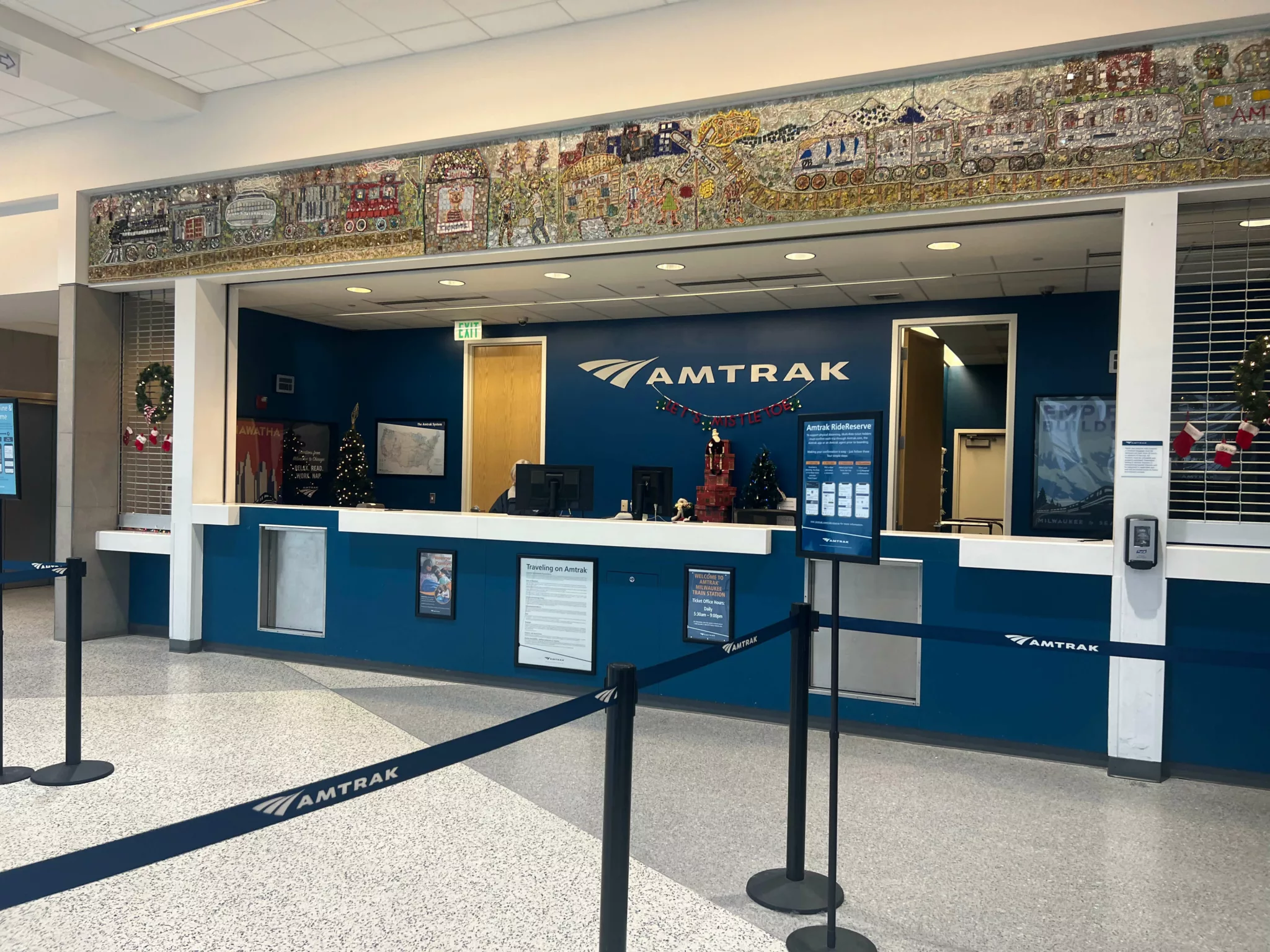
- These stations have agents and staff to assist you in boarding and purchasing tickets.
- Larger stations may have food and retail. Smaller ones may have vending machines.
- Baggage, bikes, and other services are available.
- Larger stations have “red caps” or people to help you get the train.
- Depending on the station, the agents might help you get to the train at smaller-staffed stations.
Unstaffed Amtrak Stations
There are a few different types of unstaffed stations.
- Unstaffed stations do not have any Amtrak employees.
- Someone from the community cleans, maintains, and secures the station.
- The onboard staff helps get you on and off the train at these stations.
- The conductors or other onboard staff are not there to help you plan a trip or help you book tickets.
- These stations do not offer checked bag service; other services like pets and bikes may or may not be available.
- These stations may have ticket machines to purchase tickets with a card.
- Often, there is a place to stand or sit and an Amtrak sign. Many have some shelter of varying styles.
- These “stations” do not have ticket machines.
Bus/Connecting Services
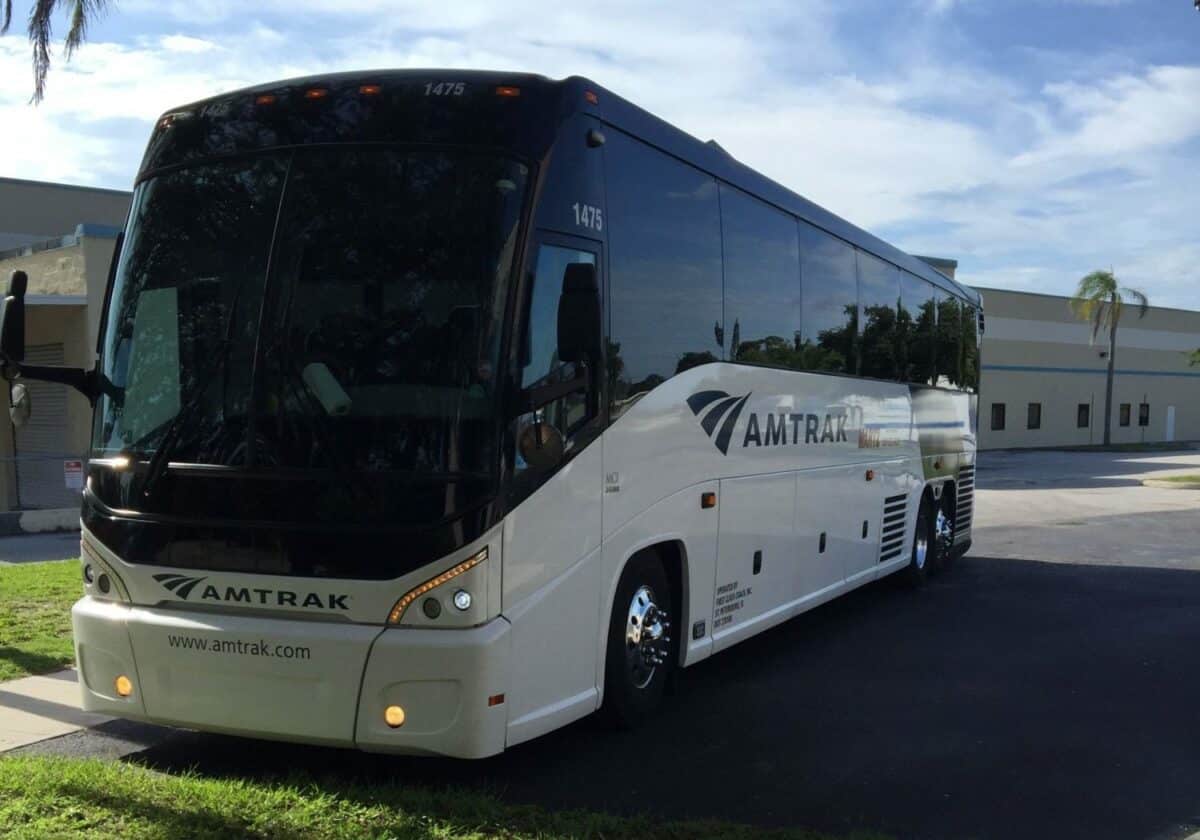
- To extend the reach of Amtrak’s service to communities without rail service and offer a more comprehensive selection of destinations, Amtrak established the thruway service with guaranteed connections to Amtrak trains.
- Sometimes, dedicated buses carry Amtrak passengers only; coordinated buses operate on individual carrier schedules but create easy access to the Amtrak network.
- Alternatively, you may contact another transportation company such as Greyhound (or another bus service).
- These connections can be at an Amtrak station. Sometimes, these stops are street sign-type bus stops, such as in San Fransico, where a bus connects passengers to California Zephyr or Amtrak Califonia trains in Emeryville.
Flag Stop
- Flag stops are usually unstaffed.
- Trains only stop at these stations if passengers have a ticket to get on or off. If no one has a reservation for that community, the train will not stop.
A quick look at baggage at Amtrak Stations
Speaking of luggage, if your departure or destination does not have luggage service, you cannot check your bags.
Amtrak has a great carry-on and baggage policy.
If your layover is at a station with baggage services and your final destination is, you may check your bag at the layover station. If you decide to do this en route, you will not have access to them during your trip. Your baggage must be checked 30-45 minutes before departure, but check with your station.
My first experience with Amtrak Stations
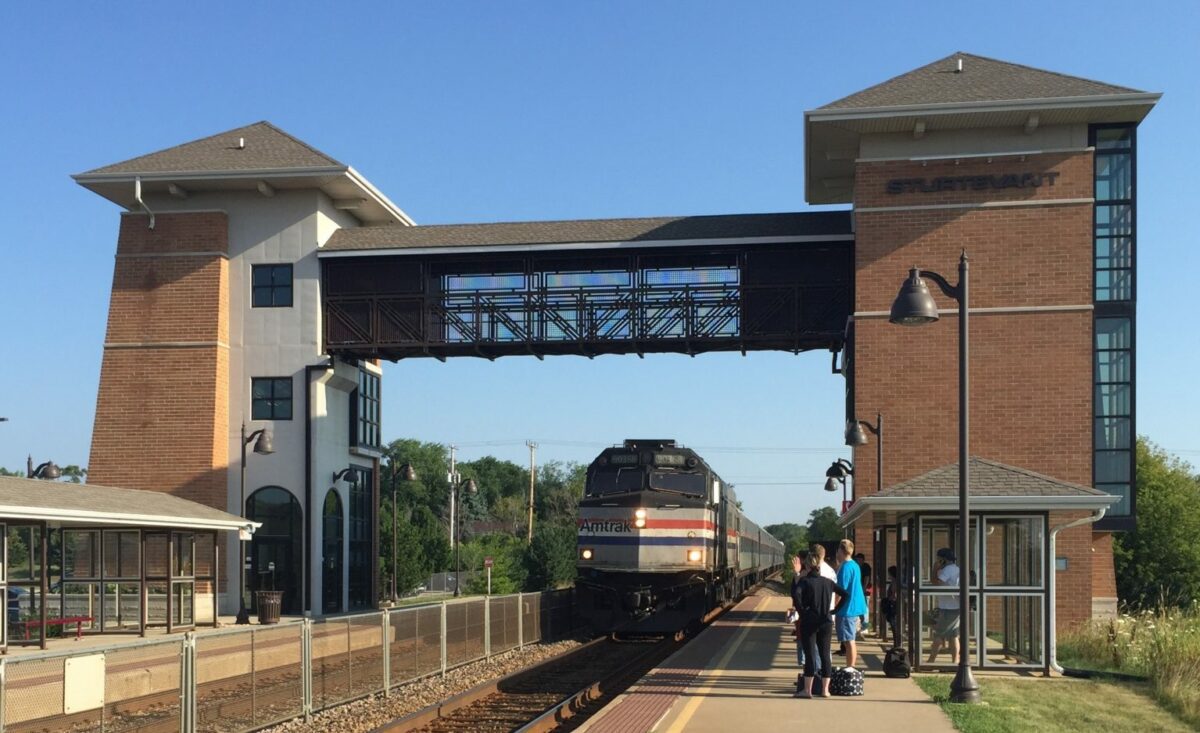
My first Amtrak train trip took me from the Sturtevant Depot to Chicago aboard the Hiawatha. I was excited and thought I knew everything I needed, but I did not know as much as I thought.
That day, I was slightly overconfident and drove to the wrong depot. I thought I knew the station’s location, but I knew the site of the former station. The Amtrak station moved north years ago, and the old station moved to a park.
Learn from my mistake, check addresses, parking rules, and costs, and see what services Amtrak offers at the station, depot, or platform you use. I also arrived at the station late, just in time to watch the train leave without me.
For more information on traveling on Amtrak, check out this page.
Safe Travels,
Kev


Hello Beth,
I looked into your plans, and it seems like you will take the Silver Meteor to NY and transfer to the Empire Service. The Meteor allows you to check bag service, but It looks like the Empire service does not. Meaning you cannot check your bags from start to finish.
The good news is you are starting at a staffed station, and hopefully, the staff there can help you get your bags on the train. Otherwise, the conductors or other staff members can help you trackside. New York has a “red cap” service; these folks can help you from the train to the waiting area and back to the train. Chat with the conductors and station staff about this to see if they can have a Red Cap meet you. They will help direct you to where to go. So, that should be easier for you.
The seats on the Meteor lean back pretty far, and there is the leg rest you can pull up, which should be a comfy napping area for them.
You can get off the train for a smoke at a few stops. Especially in Washington, DC, there is a more extended break there, like Richmond, VA, and a few others.
My best advice is to bring enough snacks for you and the little one, activated for both of you, and be as positive as possible. If you have a question while traveling, ask the staff, that is what they are there for, and they can let staff know that you need help. And check with the Amtrak baggage policy.
I hope this helps, and Safe Travels!
Kev