Three daily trains allow you to take Amtrak to Canada or the USA: the Adirondack and Maple Leaf on the East Coast and the Cascades on the West Coast. There is also talk of a Chicago-to-Toronto train, but nothing is in place yet. If you want to learn about one of these trains, this article will give you the basics and links to the current border-crossing information.
In most cases, Amtrak runs the train from start to finish. However, for the Maple Leaf, Amtrak operates the train on the US side, while VIA runs it on the Canadian side. At the border, the crews and food service change.
Depending on your destination, you may need to book part of your trip with Amtrak and the other half with VIA. If you receive a booking error, that might be the issue. Therefore, book a trip to the border and then travel with the other railroad for the journey’s second half.
Amtrak to Canada: The trains you can take
Here are the current trains that travel between the two countries.
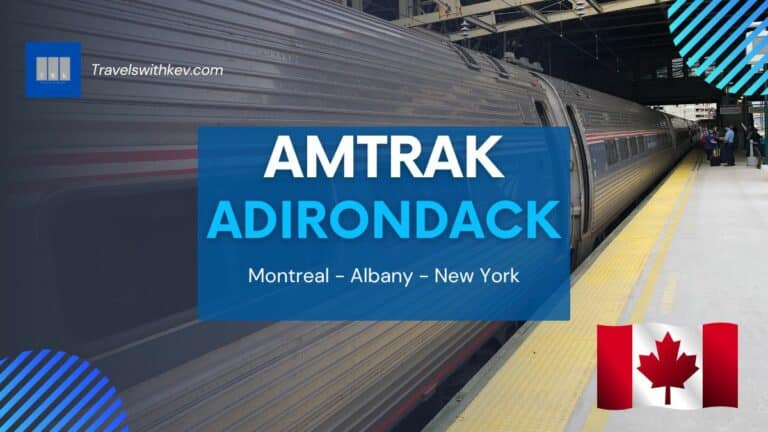
Amtrak’s Adirondack: Train Schedule & Guide
The Amtrak Adirondack travels between New York and Montreal, QC; get the schedule and basic information on this train to plan your next adventure.
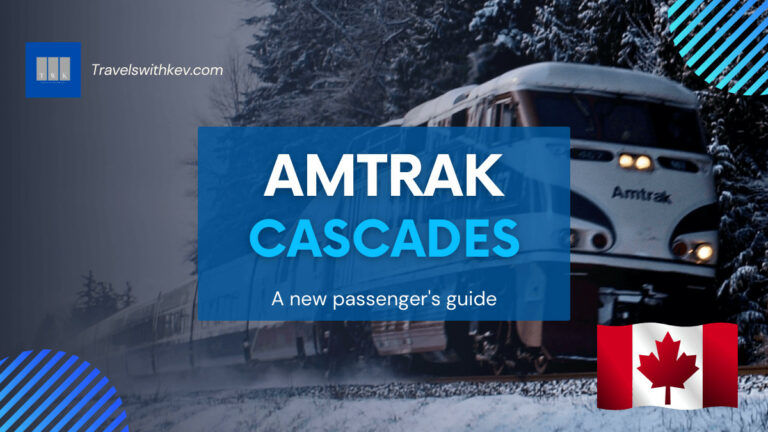
Amtrak’s Cascades: Train Schedule & Guide
The Amtrak Cascades and connecting service can get you between Eugene, OR, Vancouver, BC, and intermediate stops. Get the schedules and more info on this train.
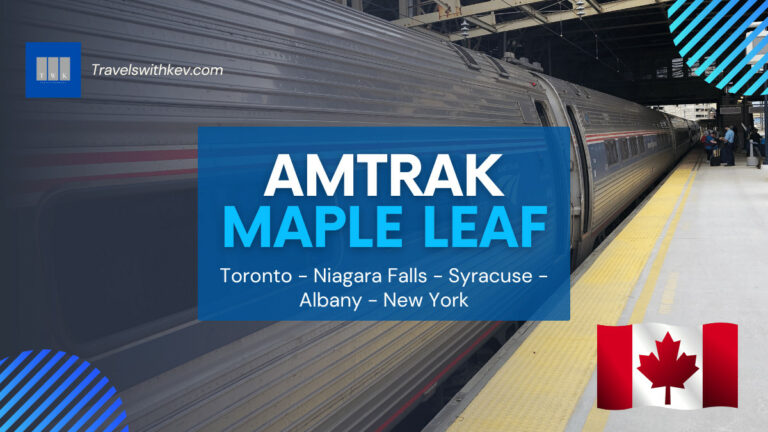
Amtrak’s Maple Leaf & VIA 97 – 98: Schedule & Guide
The Amtrak Maple Leaf travels between New York, NY, and Toronto, ON, Canada, with intermediate stops. Before you go, get the schedule and learn the basics.
Connecting bus services to Canada
In addition to trains, Amtrak also provides reservations for bus routes that cross the border, often in partnership with another vendor.
For instance, if you want to go from Chicago to Toronto, you can take the Amtrak train via the Lake Shore Limited and the Maple Leaf. Alternatively, you can take the Wolverine to Detroit and then transfer to a bus to reach Toronto.
Does Amtrak operate trains in Canada?
Three trains run in and out of Canada, allowing passengers to go between the Amtrak and VIA systems.
VIA is Canada’s version of Amtrak, which has regional and long-distance service.
At some border crossings, passengers must disembark for immigration, while others complete customs while still on the train.
In either case, the train will stop for a while. All trains bear the Amtrak brand.
Bring a pen to fill out customs forms if you plan to cross the border.
The Maple Leaf train service has different numbering depending on whether you are on the US or Canadian side of the border. Some segments may not be available for booking through Amtrak. If that is the case for you, you may need to first book your trip with Amtrak to the border and then book with VIA Rail for any intermediate stops in Canada.
Accommodations Available on Amtrak Trains to Canada
All trains offer coach classes, but Adirondack does not offer business classes.
Coach class
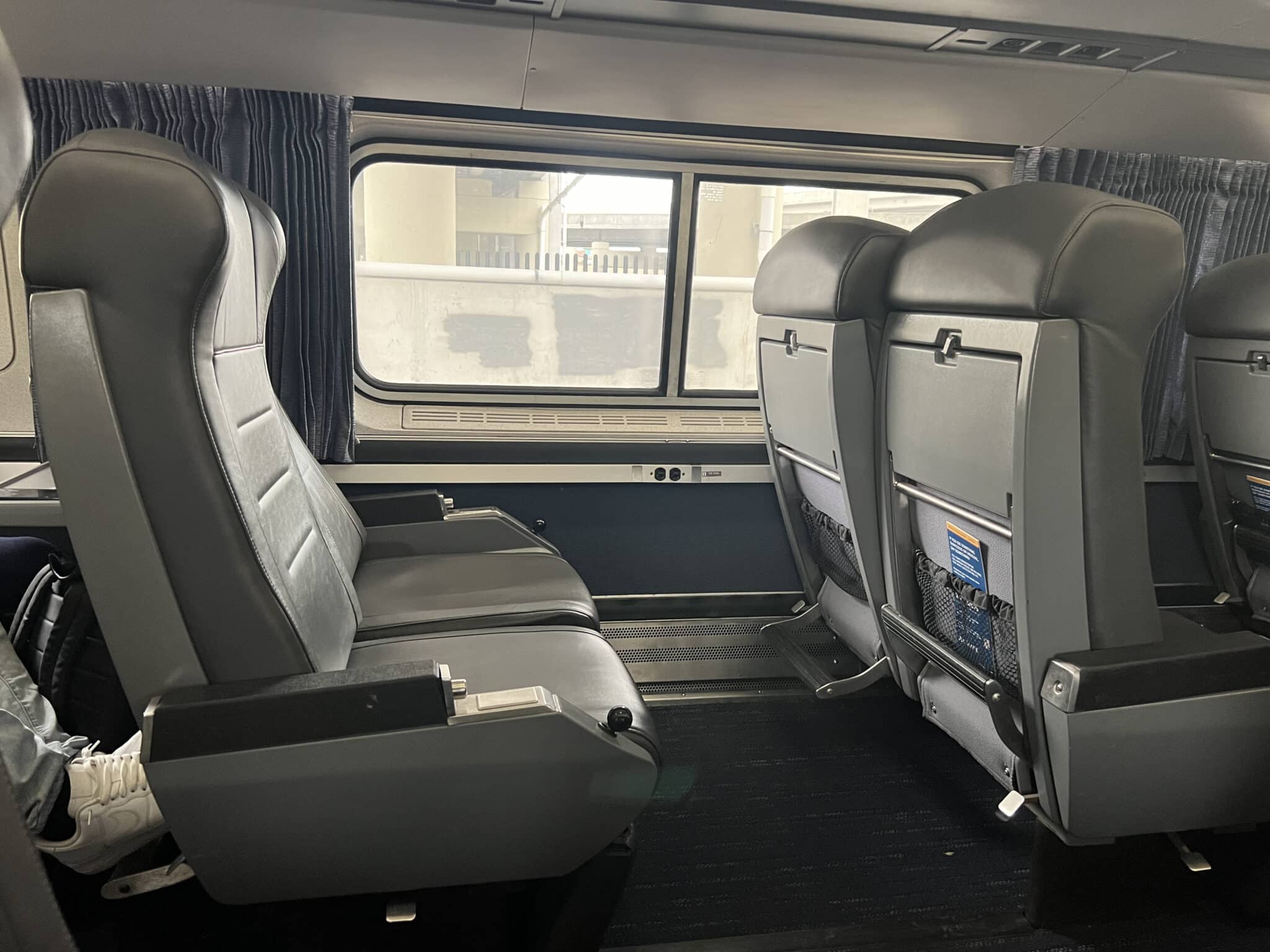
Coach seating offers a comfortable experience with fold-down trays, individual reading lights, 120V grounded electric outlets, and ample luggage storage above the seat or on a shelf.
There is ample space above and below your seat to store your luggage. Additionally, most trains have a shelf at the end of the car where you can place your belongings.
From years of experience, I suggest bringing an extension cord. That way, you can plug in more than one thing, and you do not have to keep bothering your seatmate if you have an aisle seat.
Business Class
All these trains offer business class, except the Adirondack. This class includes extra legroom, a comfortable seat, and café or bistro benefits. Ask the café car attendant for more details.
Additionally, Business Class customers receive a 25% bonus on Amtrak Guest Rewards points.
Wi-Fi on trains
Wi-Fi is free and available on these trains, but it may not be available in Candida.
If you want to use your phone once you cross the border, ensure your plan includes calls, texting, and data. Some texting apps use data instead of standard texting, which could limit your communications or consume your data allotment.
Food & currency on these trains
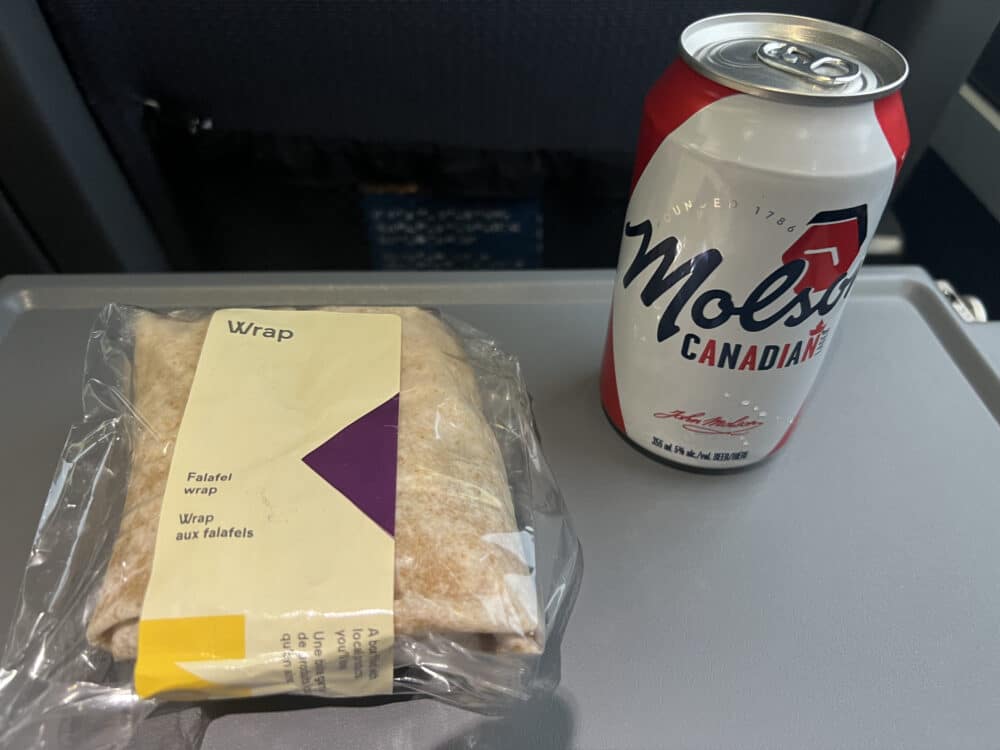
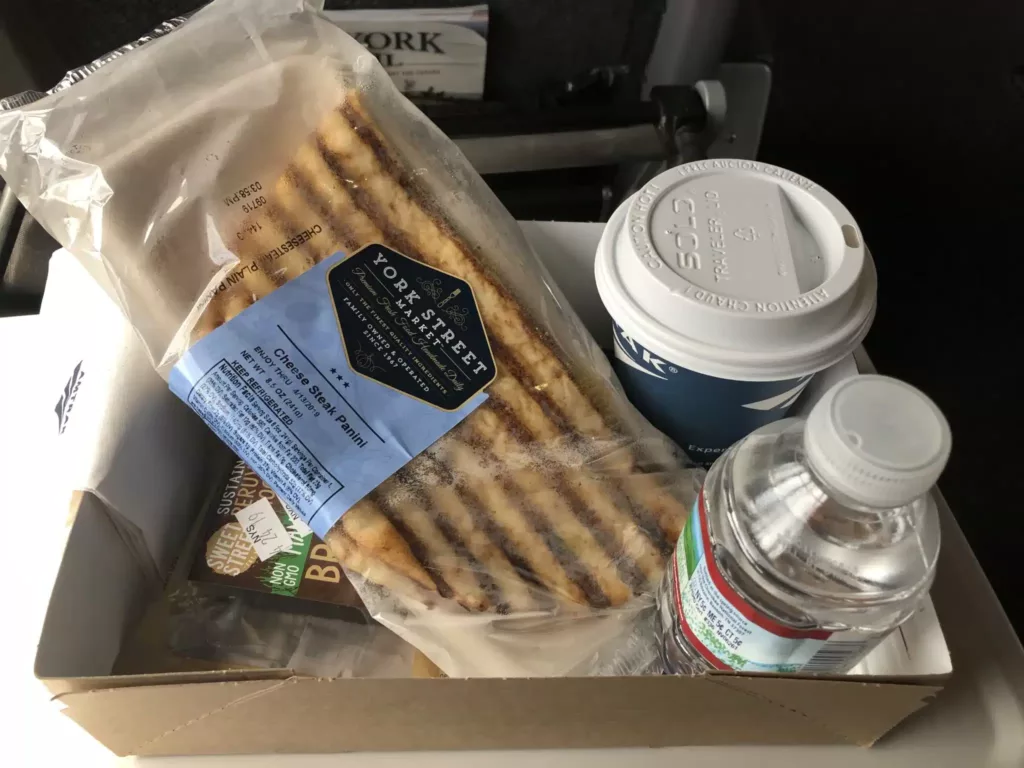
When I’m traveling, I often get hungry, and that’s when I head to the café (or bistro by car on the Cascades).
These trains offer a café or bistro car where passengers can enjoy various hot and cold meals, snacks, and beverages, including alcoholic drinks. Food choices can vary based on the train and which side of the border you are on.
The café is open for most of the journey, but it may be closed at the beginning and end of the route and before the boarding crossing.
The café car takes US currency during the US portions, but the café will accept only credit cards, prepaid cards, and VIA Rail gift cards for onboard Café purchases in the Canadian section. Some trains may take Canadian paper money only in Canada.
I assume Vias and Mastercard-branded debit cards are accepted, but the bold text is from the Amtrak site, which could change at any time. Ask the car attendant for more details.
Amtrak to Canada: Requirements and Guidelines for Border Crossings
Most of the information below comes directly from Amtrak, with minor edits for clarity. Always double-check the Amtrak Border Crossing page for the most up-to-date details.
Honesty and preparation are key when crossing the border. Be cooperative and truthful with border officers to help keep the process smooth and quick.
Know what you can bring. Each country has rules about what items are allowed, including limits on money, food, and agricultural products.
For more detailed information, visit official government websites like:
The IDs you need to take Amtrak to Canada
No Passengers Under 18 Across the US-Canadian Border Unaccompanied!
Check the Amtrak border crossing page for additional questions about IDs or taking minors over the border. You need at least one of these forms of ID, depending on your country of origin.
US citizens 16 or older
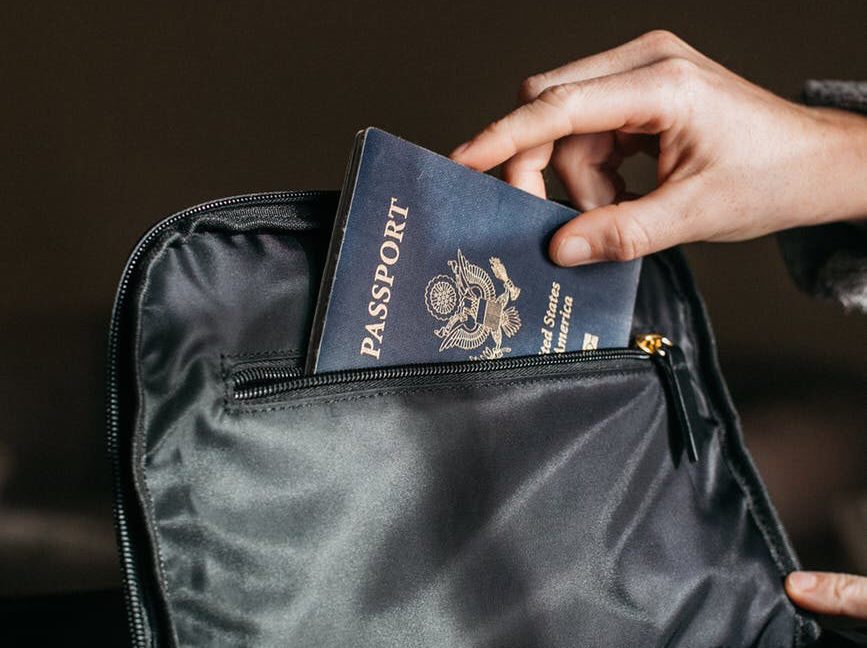
The only acceptable documents for US citizens 16 and over to cross the US-Canadian border by land or sea are:
- United States Passport
- United States Passport Card
- Trusted Traveler Card (NEXUS, FAST, or SENTRI)
- Enhanced Driver’s License (issued by Washington State, Minnesota, Michigan, New York, and Vermont only),
- Enhanced Learner’s Permit or Enhanced State ID card (Temporary enhanced driver’s licenses/learner’s permits/state or provincial ID cards are not accepted. The traveler must have the permanent license/permit/card.)
- Merchant Mariner Document,
- Military ID with Military orders
- Form I-872, American Indian Card
- Amish and Mennonite Old Order only:
- Copy of birth certificate and
- A signed copy of IRS form 4029, application for exemption from Social Security and Medicare taxes, and waiver of benefits.
Canadian citizens 16 and over
The only acceptable documents for Canadian citizens 16 and over to cross the US-Canadian border by land or sea are:
- Canadian Passport
- Trusted Traveler Card (NEXUS, FAST, or SENTRI)
- Enhanced Driver’s License (issued by British Columbia, Manitoba, Ontario, and Quebec only)
- Enhanced Learner’s Permit, Enhanced State ID card
- Indian and Northern Affairs Canada (INAC) card
US & Canadian citizens under 16
The only acceptable documents for US and Canadian citizens under 16 to cross the US-Canadian border by land or sea are:
(Under 19 if traveling with an organized group, such as on a school trip)
- One of the above documents
- Certified Copy of a Birth Certificate (bearing the raised seal of the issuing office and a statement that it is a certified copy of the original document on file at that office)
- US Citizen Children Only: Consular Report of Birth Abroad or United States Naturalization Certificate
- Canadian Citizen Children Only: Canadian Citizenship Certificate Card
Citizens of countries other than the US & Canada
The only acceptable documents for citizens of countries other than the US and Canada to cross the US-Canadian border by land or sea are:
Citizens of other countries who are permanent residents of the United States:
- Entering Canada: Passport (with visa, if required)
- Entering the United States: Form I-551, Permanent Resident Card (older versions of this are called Resident Alien Cards, which, if not expired, may also be used). A foreign passport may also be presented, but Form I-551 is required.
Citizens of other countries who are permanent residents of Canada
- Entering Canada: Passport (with visa, if required)
- Entering the United States: Form I-551, Permanent Resident Card (older versions of this are called Resident Alien Cards, which, if not expired, may also be used). A foreign passport may also be presented, but Form I-551 is required.
Citizens of all other countries who are not permanent residents of the United States or Canada need:
- Passport (with visa, if required)
- Re-entry permit
- Refugee permit
When making Canadian reservations
When making a reservation for services crossing the US-Canadian border, you must provide certain information, including your date of birth, gender, country of citizenship, and detailed information regarding the form of ID that you will carry with you on your trip. Further conditions apply.
Providing inaccurate or incomplete information will subject you to extensive inspection and questioning at the border. Please make sure that you supply us with complete and accurate information.
The information you provide when you make your reservation will be entered into your reservation record and supplied to Customs and Immigration officers in advance to facilitate your clearance. Amtrak, VIA Rail Canada, or any Amtrak Thruway provider will not use this information for any other purpose.
When traveling on Amtrak to Canada
The identification you carry on your trip should be the exact piece you selected and provide details about when you made your reservation.
You must carry the original, valid identification document. Customs does not accept any copied, expired, or otherwise invalid documents. Each passenger must have their ID.
Arriving at the Station
- Departing from Vancouver, BC – arrive at least one hour before departure for border-crossing processing.
- To complete ID checks, Customs and Immigration close the gates 15 minutes before the scheduled departure; the gates will not reopen once they are closed.
- If departing from Montreal, QC, or Toronto, ON, arrive at least 30 minutes before departure.
For passengers who are not citizens of the United States or Canada, it is strongly advised to arrive earlier than one hour to complete additional United States Customs and Border Protection processing.
Amtrak to Canada wrap-up
Thanks for checking out this page and including me in your travel research for your next train trip to or from Canada! Amtrak can be an easy way to travel, allowing you to relax or get some work done! Also, the train will enable you to travel without having to keep your eye on the road or deal with the stress of air travel.
If you plan to take Amtrak to Canada or the USA, please go to the Amtrak border crossing page to ensure you have the most up-to-date information.
If this page helped you, why not share it with others who may benefit or consider supporting Travels with Kev?
Love Train Travel?
If you’re a fan of train journeys, there are two great ways to stay up-to-date and inspired:
🚉 Follow Me on the Socials – Get the latest updates, travel tips, and stories about train travel.
✉️ Join My Newsletter and get insider tips and breaking Amtrak news in your inbox. You can check out my newsletter now!
If you sign up, you can get a quick reference guide to Amtrak’s long-distance trains.
Don’t miss out on exciting travel opportunities and helpful advice!
➡️ Sign up now and see how my newsletter can improve your next train trip.